
For a long time, Japanese people have developed a unique appreciation method in which the blade is regarded as the core of their aesthetic evaluation rather than the sword mountings decorated with luxurious lacquer or metal work
Maintenance and Care of Your Katana This table presents notable katanas associated with Miyamoto Musashi, detailing their year of crafting and unique features. Such information is vital for collectors aiming to deepen their understanding of the historical context and craftsmanship behind each blade. Condition and Maintenance In today's global market, the interest in katanas has surged, with collectors and martial arts enthusiasts seeking authentic pieces that reflect the rich history and artistry of Japanese sword-making. The rise of online platforms has made it easier for collectors to access a wide range of swords, from traditional antiques to contemporary creations. However, this convenience also brings challenges, particularly concerning authenticity and craftsmanship. Understanding Musashi's Dual-Wielding Technique One of the most significant aspects to consider is the signature of the swordsmith. Authentic tamahagane katanas will typically bear the signature or mei of the craftsman who forged the blade. This signature not only adds to the katana's provenance but also serves as a mark of quality. In many cases, the mei is accompanied by a date, providing insight into the katana's age and historical context. Buyers should seek documentation or certificates of authenticity miyamoto katana that corroborate the katana's origins and craftsmanshi
The Significance of Tamahagane Steel Musashi's unique dual-wielding technique, known as Niten Ichi-ryū, revolutionized the way katanas were used in battle. Instead of relying on a single sword, he famously employed two simultaneously, showcasing unparalleled dexterity and skill. This method required katanas that were not only well-balanced but also crafted to withstand the rigors of intense combat. The swords associated with Musashi were therefore designed with precision, embodying the essence of his martial philosophy. The Philosophical Underpinnings of Musashi's Approach Understanding the allure of Musashi's swords requires a journey through history, craftsmanship, and cultural significance. Musashi's unique approach to swordsmanship, articulated in his famous text, "The Book of Five Rings," emphasizes the philosophy behind his technique and the importance of understanding one's weapon. Collectors are not merely interested in acquiring a piece of history; they seek to connect with the ethos of Musashi himself. This connection often motivates collectors to learn about the various types of swords, their unique features, and the legacy of Musashi's teachings, shaping their approach to both collection and martial practice. Additionally, attending sword shows and exhibitions can offer opportunities to engage with knowledgeable professionals and fellow collectors. These events often feature workshops and lectures on the intricacies of sword authentication, providing attendees with firsthand insights into identifying genuine Musashi katanas. Networking with other collectors and experts can also yield recommendations for reputable appraisers and resources for further learning. One of the fascinating aspects of tamahagane swords is the variety of styles that have emerged over time. Each miyamoto katana style reflects different historical periods, regional influences, and the personal preferences of the swordsmith. For example, the katana is perhaps the most iconic style, known for its curved blade, sharp edge, and distinctive handle. This sword is not only a weapon but also a cultural symbol of the samurai spirit. The katana is renowned for its distinctive shape and sharpness, which is a result of the meticulous craftsmanship involved in its creation. Traditional Japanese sword-making involves folding layers of tamahagane steel, which creates a unique crystalline structure. This process not only enhances the blade's strength miyamoto katana but also contributes to its beautiful, reflective surface. The forging technique used to create a katana is both an art and a science, requiring years of training and experience. Many of Musashi's katanas featured unique engravings or markings that reflected his personal style or the philosophies he adhered to. These personalized elements not only enhance the historical value of the swords but also provide insight into Musashi's character and beliefs. When seeking to acquire a katana associated with Musashi, collectors miyamoto katana should pay attention to these details, as they can significantly influence the sword's provenance and overall wort
Musashi also emphasized the mental aspects of combat, asserting that a warrior's mindset can greatly influence the outcome of a fight. He believed that cultivating a calm and focused mind is essential for success, as it allows for better decision-making and reaction times. This mental clarity is achievable through practices such as meditation and visualization, techniques that modern martial artists often incorporate into their training regimen

लोकप्रिय लेख
-
 Reduce TRC20 Fees with TRON Energy
द्वारा genevieveclutt
Reduce TRC20 Fees with TRON Energy
द्वारा genevieveclutt -
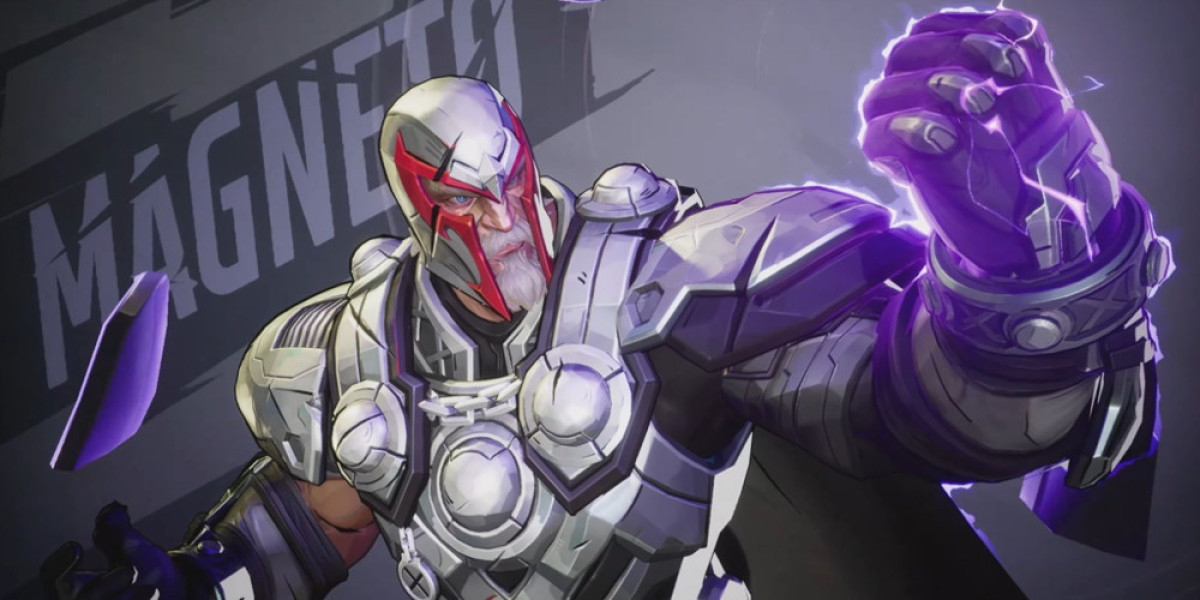
 Marvel Rivals' Gacha Mechanics Spark Controversy
द्वारा xtameem
Marvel Rivals' Gacha Mechanics Spark Controversy
द्वारा xtameem -
Reduce TRC20 Fees with TRON Energy
द्वारा avax7657437563
-
Tronex Instant Delivery
द्वारा wecadele86906
-
How to easily supply and rent energy on Tron TRON Discussion
द्वारा wecadele86906





