If you walk through a casino floor and observe the Blackjack tables, you will witness a massive amount of terrible decision-making.
These computer simulations have solved the game entirely, proving exactly which decision (Hit, Stand, Double, or Split) is mathematically optimal in every single scenario.
You are essentially throwing away a map in the middle of a minefield because you prefer to navigate by "feel."
Prepare to learn why treating Blackjack like a math equation is the only way to play.
The Foundation: The Dominance of the 10-Value Card
To understand the logic of Basic Strategy, you must first understand the mathematical composition of a standard 52-card deck.
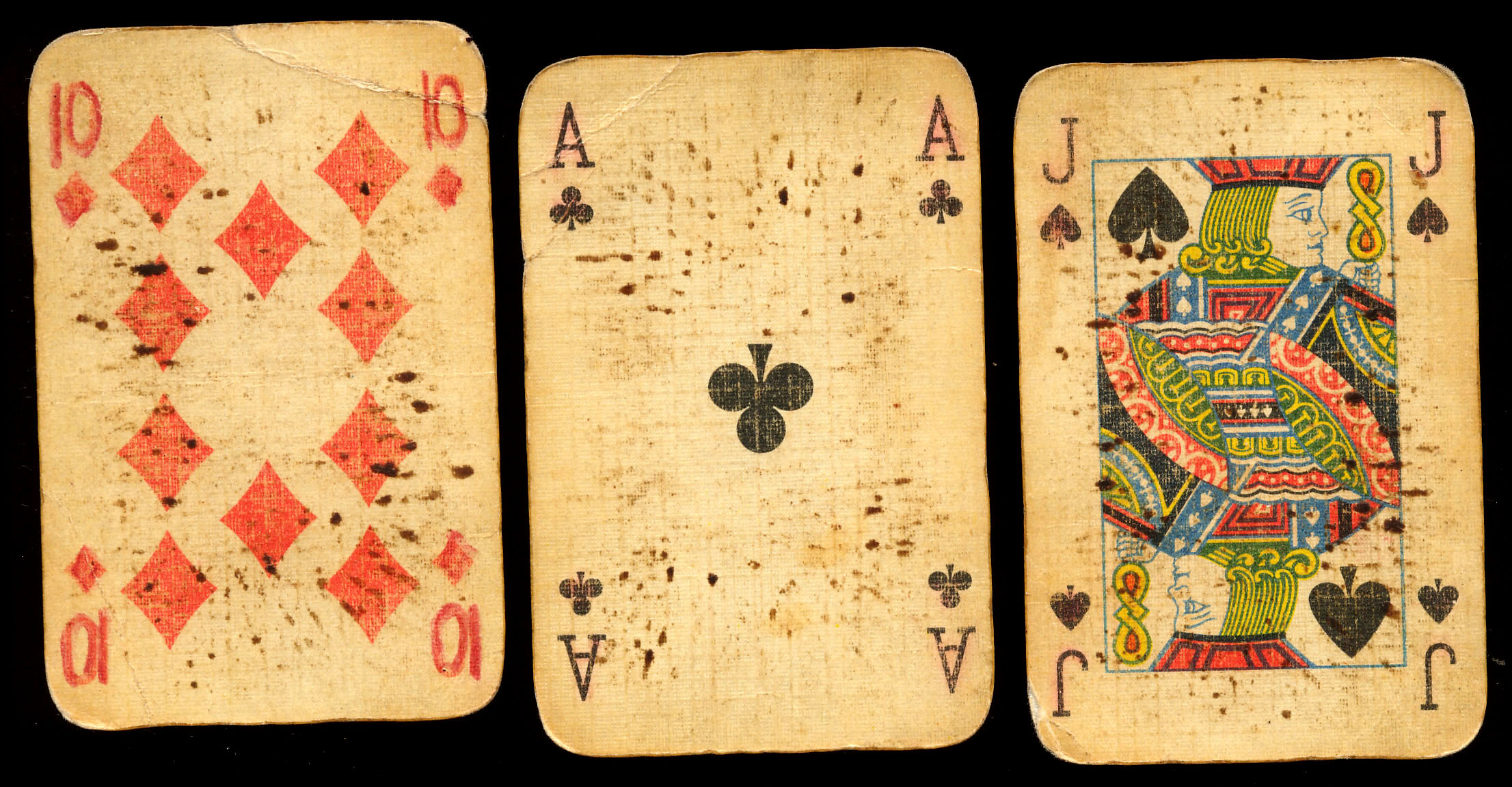
This single, massive statistical reality is the absolute core of all Blackjack strategy: you must always assume the next card out of the shoe will be a 10.
When you look at the dealer's single face-up card (the "upcard"), Basic Strategy dictates that you assume their hidden card (the "hole card") is a 10.
Even though your hand is weak, it is mathematically foolish to risk busting yourself when the dealer is already statistically favored to bust themselves.
In this scenario, standing on your weak 15 is a guaranteed loser. Basic Strategy dictates you MUST hit your 15, risking the bust, because it is the only mathematical way to compete with the dealer's assumed strong hand.
The Myth of the "Bad Player" Ruining the Table
Imagine you are sitting at a table with a strong hand of 19. The player next to you holds a 15, and the dealer is showing a 6 (a massive bust card).
The dealer then pulls the next card for themselves, a 5, making exactly 21 and beating the entire table.
In the exact same scenario, if the top card of the deck was a 5, the bad player would have taken the 5 (making a 20), and the dealer would have drawn the King next, causing the dealer to bust.
When the bad player saves the table by making a terrible play, nobody complains; they only remember the times the bad play cost them money.
A professional player completely ignores the actions of the other players at the table.
Maximizing Value: Doubling and Splitting
Basic Strategy is not just about knowing when to hit and stand to avoid busting; it is equally focused on maximizing your profit when the mathematical advantage is heavily in your favor.
Therefore, Basic Strategy screams that you MUST Double Down—doubling your original bet in exchange for receiving exactly one more card.
Refusing to Double Down on an 11 against a 6 because you are "scared of losing twice as much" is a catastrophic mathematical error.
Because the next card is likely a 10, you are highly likely to turn that terrible 16 into two highly competitive hands of 18.
It is the ultimate equalizer on the casino floor.
The Absolute Rules of Basic Strategy (A Quick Cheat Sheet)
- The Split Law: Two 8s make a terrible 16. Splitting them gives you two chances to make an 18. Never split a winning 20 (two 10s).
- Double Down on 10: Always double on 10, UNLESS the dealer is showing a 10 or an Ace.
- Never Hit a "Hard" 12 through 16 if the Dealer Shows 2 through 6: The dealer is showing a bust card. Let them bust. Do not risk busting yourself.
- The Lesser of Two Evils: Hitting a 16 against a 10 feels terrible, but the math proves that standing is statistically even worse.
How Likely is the Dealer to Bust?
| The Visible Threat | The Statistical Reality | The Strategic Response |
|---|---|---|
| 3 | 37.5% | A weak card. Stand on stiff hands. |
| 5 | 42.8% | A massive bust card. You must Double Down aggressively on 9, 10, and 11. |
| 9 | 23.3% | A very strong card. Do not double down on 9 or 10. Hit stiff hands until 17. |
| The Truth of the Math | Basic Strategy simply aligns your decisions perfectly with these specific percentages. | Print a chart, memorize it, and never let emotion override the statistics. |
Basic Strategy is not a guarantee that you will win money on your next casino trip; the house still maintains a 0.5% edge even if you play perfectly.
You are not playing against the dealer; you are playing against the unyielding laws of probability.
It is the only way to truly give yourself a fighting chance against the house.