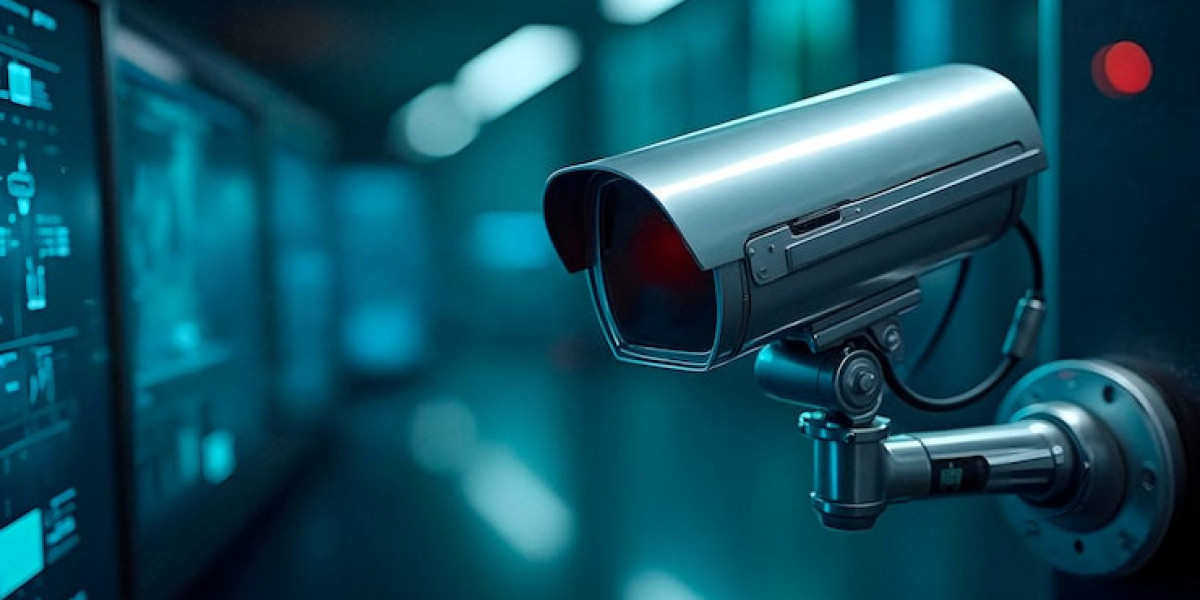

Modern residences are evolving into intelligent environments where technology quietly strengthens everyday safety. Security Cameras have become a central element of this transformation, offering homeowners improved awareness, remote visibility, and proactive protection. Unlike traditional observation equipment, contemporary systems combine analytical features, connectivity, and adaptive monitoring capabilities. Smart devices now communicate with other household technologies to create a coordinated protective network. From identifying unusual movement patterns to supporting secure entry management, these innovations redefine residential defense. As digital lifestyles expand, homeowners increasingly seek reliable solutions that provide reassurance without creating unnecessary complexity.
The Evolution of Intelligent Residential Protection
The concept of home security has moved beyond basic alarms and mechanical barriers. Advanced protective ecosystems now integrate sensors, automation platforms, and intelligent recognition features to deliver a more responsive experience. Modern households benefit from solutions designed to anticipate risks rather than simply react after an incident occurs.
Smart monitoring technology uses sophisticated algorithms to interpret activity around a property. These systems can distinguish routine household movement from unfamiliar behavior, reducing unnecessary alerts and improving accuracy. This analytical capability allows residents to maintain awareness even when they are away from their property.
How Smart Monitoring Creates Safer Living Spaces
A connected security environment provides homeowners with detailed insights into their surroundings. High-resolution recording, motion analysis, and remote accessibility allow individuals to review important events whenever necessary. These features create a digital layer of awareness that complements traditional safety practices.
Another valuable advancement is integration between monitoring devices and access management tools. When Security Cameras operate alongside entry solutions, homeowners gain a broader understanding of activity near doors, pathways, and private areas. This combined approach strengthens overall protection by connecting visual information with controlled access.
The Role of Intelligent Automation
Automation has become a defining feature of modern protection systems. Instead of requiring constant manual supervision, smart devices can perform specific actions based on programmed conditions. For example, lighting systems may activate when movement is detected, while notifications can be delivered instantly during unusual situations.
This level of responsiveness creates a more dynamic protective environment. Homeowners can customize settings according to personal preferences, daily routines, and property layouts. Such flexibility makes intelligent security suitable for apartments, suburban houses, and larger residential spaces.
Secure Entry Management and Connected Access
Entry protection remains one of the most important aspects of residential safety. Traditional keys can be misplaced, copied, or forgotten, creating potential vulnerabilities. Modern access technology provides alternative methods that offer greater control and convenience.
Advanced Door Locks introduce features such as digital authentication, temporary access permissions, and activity tracking. These capabilities allow residents to manage who can enter their property while maintaining a clear record of access events. Families, property managers, and homeowners can benefit from improved organization and stronger entry supervision.
The combination of visual monitoring and controlled entry creates a comprehensive security framework. When cameras observe surrounding activity and smart access systems regulate entry points, homeowners receive a more complete perspective of their property’s safety conditions.
Benefits of Connected Home Defense Solutions
A major advantage of smart protection technology is remote management. Mobile applications allow users to check their property status, receive alerts, and adjust settings from different locations. This capability is particularly valuable for travelers, professionals, and families with changing schedules.
Energy efficiency is another emerging benefit. Many intelligent security devices operate through optimized power management and automated responses. By activating functions only when necessary, these systems can reduce unnecessary consumption while maintaining effective performance.
Privacy management is also becoming increasingly important. Reputable security solutions provide customizable settings that allow users to determine recording preferences, notification rules, and device permissions. Responsible configuration ensures that technology supports safety while respecting personal boundaries.
Choosing the Right Smart Protection Setup
Selecting appropriate equipment requires careful consideration of property structure, lifestyle requirements, and desired features. Homeowners should evaluate camera placement, network reliability, storage options, and compatibility with existing smart systems before installation.
A well-planned arrangement improves coverage and minimizes blind areas. Strategic positioning around entrances, driveways, and frequently used spaces ensures that important locations receive adequate observation. Similarly, selecting suitable Door Locks depends on factors such as household size, access habits, and preferred authentication methods.
Scalability is another important consideration. A flexible system should allow additional devices to be incorporated as needs change. This approach prevents homeowners from replacing entire setups when expanding their smart home environment.
Future Developments in Home Safety Technology
The next generation of residential protection will likely focus on deeper intelligence, improved automation, and stronger integration between devices. Artificial intelligence will continue enhancing recognition accuracy, while cloud-based platforms may provide more seamless management experiences.
Future systems may also become increasingly personalized. Instead of delivering generic alerts, intelligent platforms could analyze individual routines and provide more meaningful notifications. This evolution will help homeowners receive relevant information without being overwhelmed by unnecessary warnings.
As technology advances, smart homes will continue developing into interconnected environments where protective features work together harmoniously. Security Cameras and Door Locks represent important components of this movement, providing homeowners with greater control, awareness, and confidence in their living spaces.
Conclusion
Smart residential protection is no longer limited to isolated devices; it has become an interconnected experience built around intelligence, convenience, and adaptability. Through advanced monitoring, controlled access, and automated responses, homeowners can create environments that better support modern lifestyles. Thoughtfully selected Security Cameras and Door Locks contribute to a stronger protective structure while allowing residents to manage safety with greater flexibility.