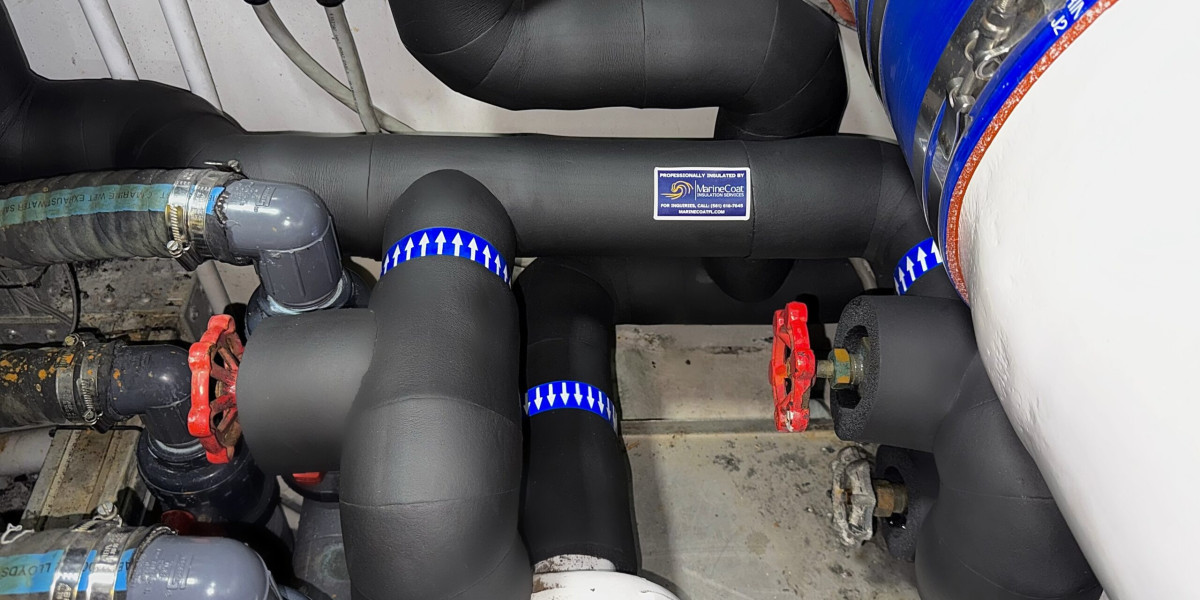

Marine vessels operate in highly dynamic environments where mechanical vibrations, propulsion systems, and environmental disturbances create persistent acoustic challenges. Modern shipbuilders increasingly prioritize Marine Noise Insulation to establish quieter interiors, enhance crew wellbeing, and support passenger satisfaction. Effective Marine soundproofing techniques are now considered a fundamental component of advanced maritime construction rather than an optional refinement.
The maritime sector has evolved toward sophisticated engineering approaches that combine structural durability with acoustic precision. From commercial liners and offshore platforms to naval vessels, controlling unwanted sound has become essential for creating functional and comfortable spaces. Innovative materials, layered barriers, and vibration-dampening technologies allow designers to reduce disruptive frequencies generated throughout a vessel.
Engineering Advantages of Marine Noise Insulation
The primary objective of Marine Noise Insulation is to minimize airborne sound transmission and mechanical vibration throughout a vessel’s compartments. Engines, generators, pumps, ventilation systems, and propulsion equipment generate complex acoustic patterns that can travel through metal structures. Without proper treatment, these disturbances may affect concentration, communication, and overall onboard efficiency.
Advanced insulation systems utilize specialized composites, resilient mounts, acoustic panels, and vibration absorbers to interrupt sound pathways. These solutions create separation between noisy machinery zones and living or operational areas. By integrating these technologies during the design stage, ship manufacturers can achieve superior acoustic performance without compromising structural integrity.
Another significant advantage is improved crew productivity. Excessive exposure to continuous machinery noise can contribute to fatigue and reduced alertness. A carefully engineered acoustic environment supports clearer communication between personnel and helps maintain safer working conditions. This aspect is particularly valuable in long-duration maritime operations where crews spend extended periods onboard.
Marine soundproofing Strategies for Modern Ship Construction
Modern Marine soundproofing approaches rely on a combination of architectural planning and material innovation. Instead of addressing noise problems after construction, contemporary vessel designers analyze acoustic behavior during the initial engineering phase. This proactive methodology allows them to identify vibration pathways and implement targeted solutions.
Common strategies include installing floating floors, acoustic ceilings, insulated bulkheads, and specialized wall assemblies. These systems work together to absorb sound energy and prevent resonance amplification. Machinery compartments often receive additional treatment because they represent major sources of operational noise.
The effectiveness of Marine soundproofing depends on selecting materials that can withstand harsh maritime conditions. Saltwater exposure, humidity fluctuations, temperature variations, and constant movement require durable acoustic products with long service life. Engineers must balance sound reduction capabilities with weight limitations, fire resistance requirements, and maintenance considerations.
Enhancing Passenger Experience Through Acoustic Innovation
Passenger expectations have transformed vessel interiors into sophisticated environments where comfort is a major priority. Cruise ships, ferries, and luxury yachts increasingly incorporate advanced acoustic engineering to create peaceful cabins, lounges, and recreational areas.
A quieter environment enhances relaxation and allows passengers to enjoy journeys without excessive background disturbances. Reduced vibration transmission also improves the perception of quality, making vessels feel more refined and technologically advanced.
Acoustic improvements are not limited to passenger areas. Navigation rooms, communication centers, and control stations also benefit from optimized sound management. Clear auditory conditions enable operators to interpret alarms, communicate effectively, and make timely decisions during critical situations.
Advanced Materials and Future Maritime Acoustic Solutions
The development of lightweight and high-performance materials continues to transform vessel acoustics. Researchers are exploring innovative composites, aerogel-based insulation, and environmentally responsible materials designed to deliver stronger sound absorption with reduced weight.
Advanced Marine Noise Insulation solutions are becoming increasingly adaptable, allowing engineers to customize systems according to vessel type, operational requirements, and environmental conditions. This flexibility supports the construction of specialized vessels where acoustic performance plays a crucial role.
Digital modeling technologies are also improving acoustic planning. Engineers can simulate sound behavior within vessel structures before physical construction begins. These virtual assessments help optimize layouts, reduce unnecessary modifications, and achieve precise acoustic outcomes.
Regulatory Requirements and Maritime Safety Considerations
International maritime standards increasingly emphasize noise management because excessive sound exposure can influence crew health and operational reliability. Vessel operators must consider acceptable noise levels in accommodation spaces, work areas, and control environments.
Proper acoustic engineering contributes to regulatory compliance while supporting safer working conditions. Effective systems reduce harmful exposure and create environments where communication remains reliable even during demanding operations.
Marine soundproofing is also becoming an important consideration in environmentally conscious vessel development. As propulsion technologies evolve, acoustic characteristics change, requiring new approaches to manage unfamiliar vibration patterns and frequency ranges.
Economic Benefits of Investing in Acoustic Engineering
Although acoustic treatments require careful planning and investment, the long-term advantages are substantial. Vessels equipped with effective noise-control systems often provide greater comfort, improved operational performance, and enhanced market appeal.
Shipowners can benefit from reduced maintenance concerns because vibration control may decrease stress on structural components and mechanical connections. Furthermore, vessels designed with superior acoustic properties can achieve stronger reputations among passengers, operators, and maritime professionals.
The role of Marine Noise Insulation extends beyond simple noise reduction. It represents a strategic investment in vessel quality, human performance, and long-term operational excellence. As maritime industries continue adopting advanced engineering principles, acoustic management will remain a defining feature of next-generation ship design.
The Continuing Evolution of Quieter Vessels
Future vessels will increasingly depend on intelligent acoustic technologies, sustainable materials, and precision engineering to achieve exceptional onboard environments. The demand for comfortable, efficient, and reliable maritime spaces will continue driving innovation across the industry. By combining advanced Marine Noise Insulation with effective Marine soundproofing techniques, modern vessels can achieve quieter operations, improved experiences, and stronger performance standards in increasingly competitive maritime markets.