The historical context surrounding Miyamoto Musashi and his swords Musashi Swords is integral to understanding their significance. Musashi was not only a master swordsman but also a philosopher who wrote "The Book of Five Rings," which outlines his principles on strategy, combat, and life. His insights into martial arts and the philosophy behind swordsmanship have influenced generations of practitioners, making his swords not just weapons but symbols of a deeper understanding of combat and self-discipline. Pros and Cons of Collecting Katanas The craftsmanship of Musashi's katana is a testament to the artistry and dedication of Japanese Musashi Swords sword makers. Each blade is meticulously forged, reflecting a deep respect for tradition and a commitment to excellence. The process begins with the selection of high-quality tamahagane, which is smelted from iron sand. This steel is then folded multiple times to eliminate impurities and create a strong, durable blade. The skill of the swordsmith plays a pivotal role in determining the final product, as each katana is a unique expression of the artisan's expertise. Understanding Tamahagane Steel and Its Significance Additionally, enthusiasts should familiarize themselves with the different types of oil suitable for maintaining a katana. Traditional oils, such as choji oil, are often recommended as they provide excellent protection without causing harm to the blade. Understanding how to care for the blade can significantly enhance its lifespan and aesthetic appea
Once you have acquired your Tamahagane katana, proper maintenance and care are essential to ensure its longevity and performance. Regular cleaning and oiling are crucial to prevent rust and maintain the blade's sharpness. Using a soft cloth and a specialized sword oil will help protect the steel from moisture and dirt. Understanding Pricing and Val
The market for Japanese swords, particularly those associated with iconic figures like Miyamoto Musashi, has seen fluctuations over the years. As interest in martial arts and Japanese culture continues to grow globally, so does the demand for authentic katanas. Collectors should stay informed about current trends, as market dynamics can influence prices and availability. Engaging with industry publications, attending sword shows, and participating in online communities can provide valuable insights into market developments. The Influence of Social Med
To further appreciate the significance of your katana, consider researching its origins, including the smith who crafted it, the era it represents, and its historical context. Engaging with this history not only enriches your understanding but also enhances your collection’s value. By respecting and honoring the traditions associated with the katana, collectors can ensure that this cultural heritage is preserved for future generations. Musashi and the Art of Collecting Moreover, the integration of technology in the preservation process offers exciting possibilities. Digital archiving of historical swords, along with virtual reality experiences that allow people to engage with the art of sword-making, can enhance public interest and appreciation. By embracing both tradition and innovation, the future of Musashi's swords can be safeguarded, ensuring that Musashi Swords this rich heritage continues to inspire and educate. The Role of Technology in Authenticati
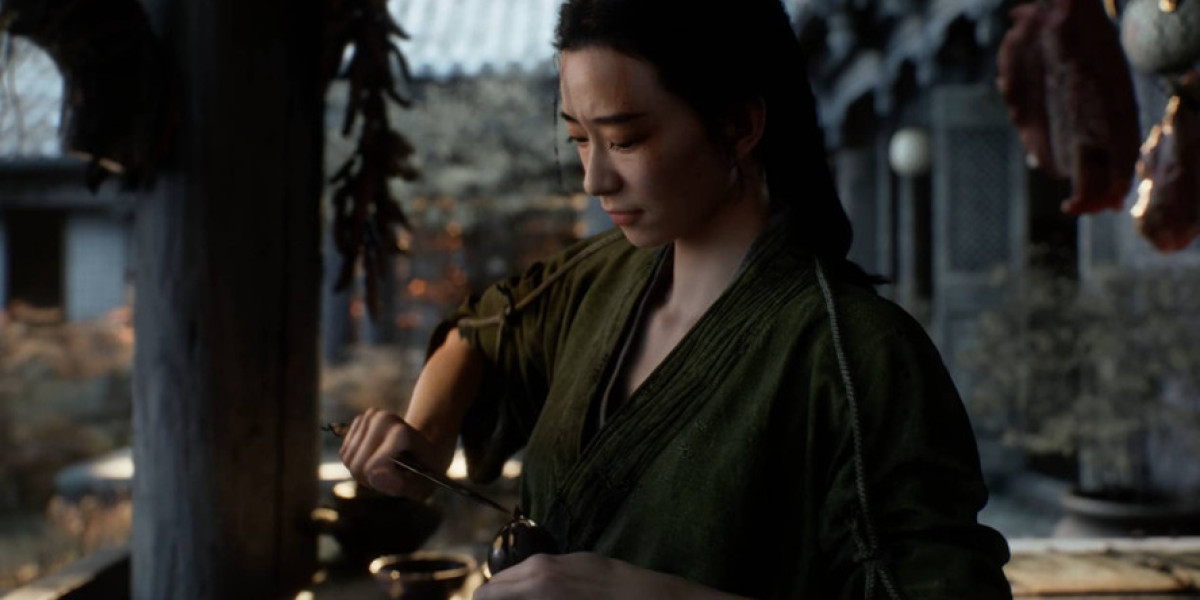
It was said that Musashi practised the way of the warrior and warfare strategy, which entailed the mastery of many art forms beyond that of the sword, such as tea ceremony (sadō), labouring, writing, and painting, all of which Musashi pursued throughout his lif
In summary, the journey of forging a tamahagane sword is a profound blend of artistry, tradition, and skill. From the initial gathering of materials to the intricate processes of forging and polishing, every step is essential in creating a blade that embodies the spirit of Japanese craftsmanship. The cultural significance of these swords enhances their appeal, making them a cherished possession for collectors and martial artists alike. Understanding the complexities involved in the making of tamahagane swords enriches the experience of owning one, allowing enthusiasts to appreciate not just the weapon but the history and tradition it represents. Exploring the Legacy of Musashi's Katana However, commissioning a katana from a swordsmith requires patience, as the process can take months or even years, depending on the artisan's workload. Buyers should also be prepared for a higher price point, as custom work typically reflects the skill and time invested by the swordsmith. Nonetheless, the end result is often a masterpiece that holds both personal and monetary value. Assessing the Value of a Tamahagane Katana The significance of tamahagane extends beyond its physical properties. It is often regarded as the soul of the katana, contributing to the blade's performance Musashi Swords and aesthetic appeal. The various carbon content levels within the tamahagane contribute to different characteristics in the final blade, allowing smiths to tailor each katana to the needs of its intended use or the preferences of its owner. This personalization is a critical factor that collectors and martial artists consider when acquiring katanas. Engaging with Swordsmiths Furthermore, the tempering process is crucial in Musashi Swords determining the blade's hardness and flexibility. Swordsmiths carefully control the heating and cooling cycles to achieve the optimal balance between these two properties. This expertise in temperature regulation is what allows for a sword that is not only visually stunning but also functional and durable. Collectors often seek out blades that demonstrate exceptional craftsmanship in these areas, as they are indicative of the artisan's skill. The Role of Continuous Learning in Martial Arts Moreover, the samurai's connection to nature and the spiritual world played a significant role in Musashi's philosophy. He believed that a swordsman must be attuned to their surroundings, drawing inspiration from nature to enhance their combat effectiveness. This connection is evident in his writing and practice, as he often emphasized the importance of being calm and centered, even in the heat of battle. The integration of these philosophical elements into swordsmanship not only distinguished Musashi but also left a lasting legacy on the martial arts communit