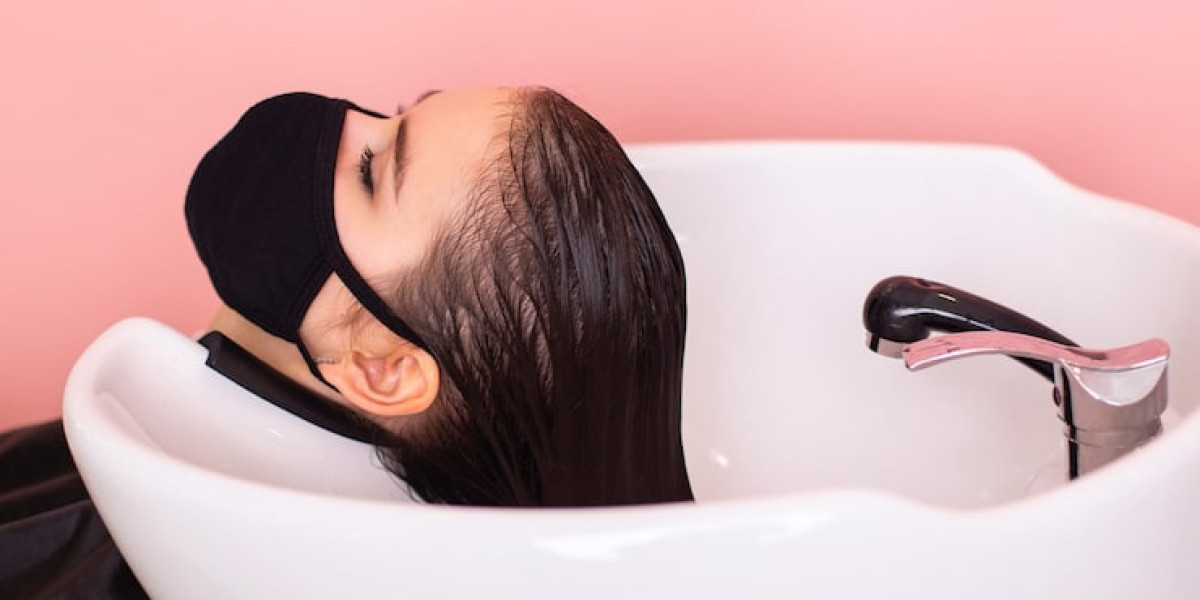

Hair thinning seldom begins at the visible strand. Instead, the transformation often starts beneath the scalp, where follicles regulate the entire growth cycle. Understanding the biological foundation behind hair roots treatment helps individuals distinguish evidence-based solutions from exaggerated promises. Those researching advanced restoration frequently compare specialist clinics, including hair restoration Columbia SC, to learn about modern therapeutic approaches and personalized care. A strategic combination of scientific evaluation, nutrient support, and targeted interventions delivers far greater value than miracle products marketed for overnight success.
Understanding the Hair Root and Its Role in Growth
The hair root is the living portion of each strand, anchored within the follicle beneath the scalp. Tiny blood vessels nourish the follicle while specialized cells coordinate new hair production. When this microscopic environment becomes compromised through inflammation, hormonal fluctuations, nutritional imbalance, or hereditary factors, visible thinning gradually appears.
Unlike the hair shaft, which consists of dead keratinized cells, the root remains biologically active. Every successful treatment therefore concentrates on preserving follicular vitality rather than merely improving cosmetic appearance.
Healthy follicles continuously rotate through three biological phases:
- Anagen (active growth)
- Catagen (transitional stage)
- Telogen (resting and shedding phase)
Disturbances in this sequence shorten growth duration and extend shedding, ultimately reducing hair density.
Why Hair Roots Become Weak
Numerous internal and external influences affect follicular performance. Recognizing the underlying trigger is essential before selecting any therapeutic strategy.
Genetic Predisposition
Inherited androgen sensitivity remains one of the leading contributors to progressive hair thinning. Follicles gradually shrink over time, producing finer strands until visible coverage declines.
Hormonal Variations
Changes involving testosterone derivatives, thyroid hormones, pregnancy, or menopause can disrupt normal follicular activity.
Nutritional Deficiencies
Hair-producing cells divide rapidly and require consistent nutritional support. Insufficient intake of iron, zinc, vitamin D, protein, and biotin may reduce optimal follicular function.
Chronic Inflammation
Persistent scalp irritation creates an unfavorable environment for follicle regeneration. Conditions including seborrheic dermatitis and psoriasis may contribute to accelerated shedding.
Emotional Stress
Elevated cortisol levels may shift follicles prematurely into the resting phase, resulting in diffuse shedding several months after stressful experiences.
Does Hair Roots Treatment Actually Work?
The effectiveness of hair roots treatment depends entirely on the underlying diagnosis. Scientifically validated therapies can preserve existing follicles, stimulate dormant roots, and improve overall scalp conditions. However, treatments cannot revive follicles that have completely disappeared due to advanced scarring or prolonged miniaturization.
Early intervention significantly increases success rates because living follicles retain regenerative potential.
Instead of searching for universal cures, individuals benefit more from customized treatment plans developed after professional evaluation.
Medical Treatments Supported by Clinical Research
Several therapies consistently demonstrate measurable improvement in controlled clinical studies.
Topical Minoxidil
Minoxidil improves blood circulation surrounding follicles while extending the active growth phase. Many patients observe thicker strands after several months of consistent application.
Advantages include:
- Non-invasive use
- Widely researched
- Suitable for various thinning patterns
Visible improvement usually requires patience, as follicular cycling progresses gradually.
Oral Medications
Certain prescription medications reduce hormone-related follicular shrinkage by limiting dihydrotestosterone activity.
These therapies may help preserve existing density but require professional supervision because potential adverse effects vary among individuals.
Platelet-Rich Plasma (PRP)
PRP involves concentrating growth factors from the patient's own blood before injecting them into targeted scalp regions.
Potential benefits include:
- Enhanced cellular repair
- Improved follicular nourishment
- Increased strand thickness
- Better scalp circulation
Although outcomes differ, numerous studies indicate promising improvements when administered through structured treatment schedules.
Regenerative Therapies Gaining Popularity
Advancements in regenerative medicine continue expanding therapeutic possibilities beyond traditional medications.
Growth Factor Therapy
Laboratory-prepared biological compounds aim to stimulate dormant follicles through cellular signaling mechanisms.
Stem Cell-Based Research
Emerging investigations examine regenerative cells capable of encouraging follicular renewal. While encouraging, many applications remain under clinical evaluation rather than routine practice.
Microneedling
Controlled micro-injuries stimulate natural healing responses while enhancing absorption of topical formulations.
Many dermatologists combine microneedling with hair roots treatment protocols for improved therapeutic efficiency.
Lifestyle Factors That Strengthen Hair Roots
Medical procedures produce stronger outcomes when paired with healthy daily habits.
Balanced Nutrition
Follicles require continuous nutritional availability for uninterrupted growth.
Recommended dietary priorities include:
- Lean protein
- Omega-3 fatty acids
- Leafy vegetables
- Whole grains
- Legumes
- Nuts
- Colorful fruits
Adequate hydration further supports cellular metabolism throughout the scalp.
Gentle Hair Care
Aggressive styling may weaken already vulnerable follicles.
Helpful practices include:
- Limiting excessive heat
- Avoiding tight hairstyles
- Using mild cleansing products
- Reducing chemical processing frequency
These adjustments minimize unnecessary mechanical stress.
Sleep Quality
Growth hormone secretion during restorative sleep supports numerous tissue repair processes, including scalp maintenance.
Consistent sleep schedules indirectly benefit follicular resilience.
Common Myths About Hair Growth Treatments
Misinformation frequently delays appropriate intervention.
Myth: Oils Can Regrow Dead Follicles
Natural oils improve scalp conditioning but cannot recreate permanently destroyed follicles.
Myth: Shaving Makes Hair Grow Thicker
Hair thickness depends on follicular biology rather than shaving frequency.
Myth: Supplements Alone Solve Hair Loss
Supplements correct nutritional deficiencies but cannot reverse every underlying cause of thinning.
Myth: Immediate Results Are Realistic
Follicular cycles progress slowly. Genuine improvement generally appears after several months of disciplined treatment.
When Professional Evaluation Becomes Necessary
Persistent shedding lasting beyond several months deserves medical assessment.
Consultation becomes especially important if hair loss accompanies:
- Sudden bald patches
- Scalp discomfort
- Excessive daily shedding
- Hormonal symptoms
- Family history of significant hair loss
Diagnostic evaluation may include scalp examination, laboratory testing, photographic monitoring, and follicular assessment.
These findings guide individualized therapy rather than relying on generalized recommendations.
Choosing the Right Hair Restoration Provider
Selecting an experienced specialist significantly influences treatment planning and long-term outcomes.
Look for professionals who offer:
Comprehensive Diagnosis
Treatment should begin with identifying the precise cause rather than recommending identical procedures for every patient.
Multiple Treatment Options
Reputable clinics typically provide individualized combinations of medications, regenerative therapies, nutritional guidance, and follow-up monitoring.
Realistic Expectations
Ethical practitioners explain achievable outcomes instead of guaranteeing dramatic transformations.
Individuals comparing providers often research hair restoration Columbia SC clinics because comprehensive evaluations, customized treatment strategies, and evidence-based procedures have become increasingly available through experienced restoration specialists.
Building a Long-Term Hair Growth Strategy
Hair restoration should be viewed as a gradual biological process rather than a quick cosmetic solution.
Successful plans frequently combine:
- Professional diagnosis
- Medical therapy
- Nutritional optimization
- Scalp health management
- Lifestyle improvements
- Routine progress evaluations
Consistency remains more valuable than constantly changing products.
Visible enhancement usually reflects cumulative improvements occurring beneath the scalp over several growth cycles.
Final Thoughts
Achieving healthier, fuller hair begins by protecting the follicle rather than focusing solely on the visible strand. Scientifically supported hair roots treatment approaches deliver the greatest potential when tailored to individual needs, initiated early, and maintained consistently. Whether exploring advanced regenerative procedures or consulting specialists in hair restoration Columbia SC, informed decisions grounded in clinical evidence provide the strongest foundation for sustainable hair growth and lasting follicular health.